
Your Child Talks to AI More Than to You: What It Means for Them
Share
Introduction: When a Child Chooses a Chat Instead of a Conversation
Many parents are noticing a new pattern: their child increasingly turns not to a parent or friend, but to an AI chatbot. Asking for advice, making up a story, sharing a worry, posing an awkward question or simply talking—artificial intelligence is always there, responds quickly and seems never to become irritated.
The subject of children and artificial intelligence has already become part of everyday family life. This does not mean that technology should be feared or banned altogether. But it is important to understand what changes when a child becomes used to receiving an emotional response from a program rather than from another person—especially at an age when trust, empathy and the ability to disagree, make peace, ask for help and express feelings are still developing.
Why Children Find It Easier to Talk to AI Than to People
AI can seem like the perfect conversation partner to a child. It is available at any time, does not interrupt, tire or raise its voice, and responds instantly to even the strangest questions. For a child who is shy, afraid of being judged or reluctant to “burden” adults, this can feel like a safe way to communicate.
There is another factor: with AI, a child does not need to interpret facial expressions, tone, mood, pauses or another person’s reaction. In a real conversation, the other person may disagree, take offence, ask a follow-up question or request an explanation. In a chat, it is simpler: write a message and receive an answer.
Yet that simplicity can become a trap. Children and AI chatbots interact without the challenges that normally teach a child how to communicate with people. Those skills develop through small, real-life situations: asking for a toy, agreeing on the rules of a game, admitting a mistake, supporting a friend, sitting through a pause or hearing “no.”
What Frequent Conversations with AI Can Mean for a Child
Frequent use of AI does not necessarily lead to problems. For many children, it is simply a tool for asking questions, translating, generating an idea or playing word games. The concern begins when a chatbot becomes the child’s main conversation partner and real-life conversations fade into the background.
Over time, a child may become accustomed to an “ideal” response—with no conflict, fatigue or genuine boundaries. Ordinary people may then seem difficult: parents ask uncomfortable questions, friends disagree, teachers expect explanations and younger siblings interrupt. Real communication requires patience; AI requires very little.
Possible effects should be considered calmly, without panic. A child may have fewer opportunities to develop empathy if they rarely encounter the real emotions of other people. They may find it harder to talk about feelings face to face if they are used to typing them into a chat. They may also begin to expect every conversation partner to respond quickly, gently and conveniently.
If a child becomes noticeably withdrawn, avoids friends, feels anxious without access to a device or shares their worries only with a chatbot, the answer is not to scold them. It is a reason to talk gently and, if necessary, seek advice from a child specialist.
Real Conversations and Emotions Cannot Be Replaced
Real-life communication between children is about more than words. It includes eye contact, laughter, movement, facial expressions, hugs, shared victories, small disagreements and making up afterwards. Through play, children learn to wait their turn, listen to others, take initiative, follow rules and feel part of a group.
That is why offline activities matter so much in a digital world. Children’s entertainment gives a child an experience that a screen cannot fully reproduce: seeing other children’s reactions, joining a shared game, interacting with an entertainer, moving, imagining and experiencing emotions in the moment.
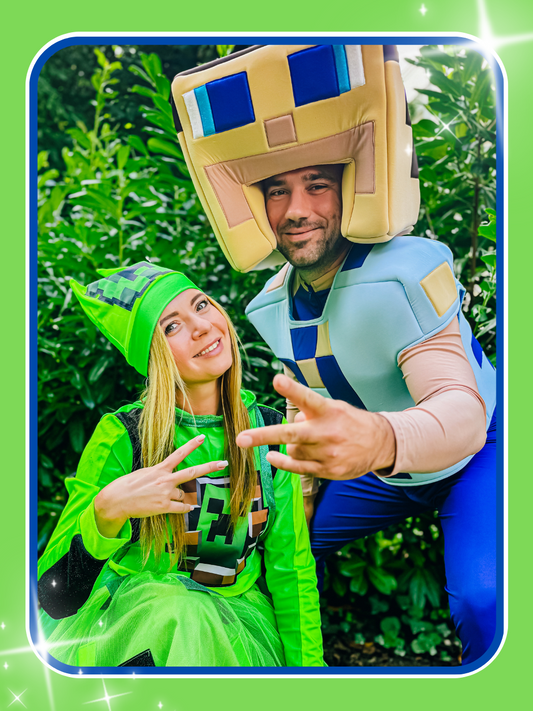
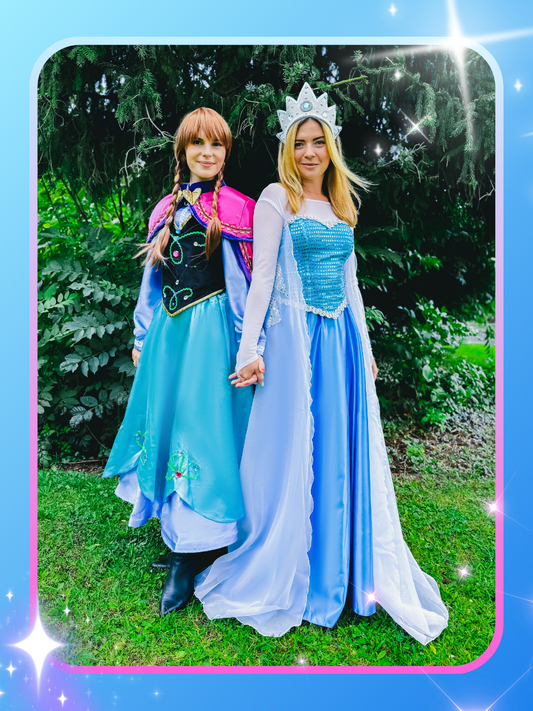
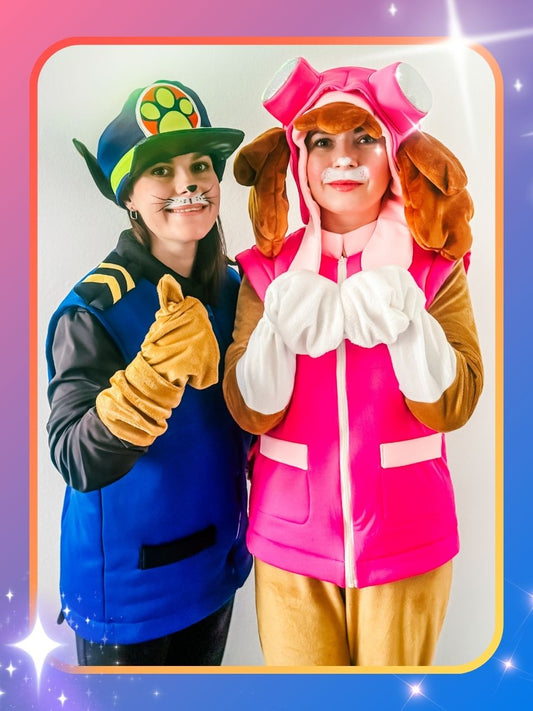
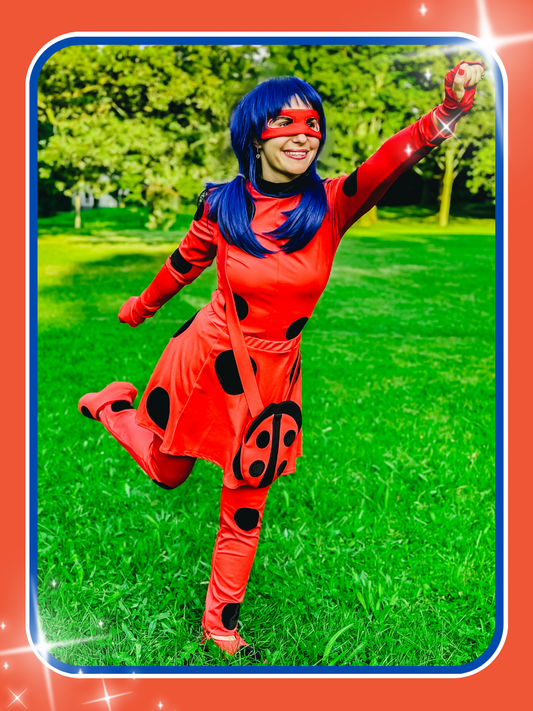
At Shake Party, these experiences are created by children’s entertainers in Germany. Programs can draw on fairy-tale stories, magical adventures, superhero missions or game-inspired worlds—without copying branded characters, while preserving the familiar atmosphere that children easily recognise and enjoy.
Creative and Play-Based Activities as a Counterbalance to Digital Interaction
When a child spends a great deal of time with devices, activities that involve making something by hand alongside other children become especially valuable. Drawing, gluing, decorating, dancing, inventing patterns, choosing colours and laughing at an unexpected result can support not only imagination but also social skills.
A child’s development without devices does not require rejecting technology completely. It is about giving children enough real-life experiences so that the digital world does not become their only source of interest, interaction and emotion.
Creative workshops for children can be a good option: painting plaster figures or T-shirts, making bracelets, dance sessions, decoupage and other hands-on activities. They encourage children to interact, discuss ideas, share materials and enjoy the process together.
What Parents Can Do
A parent’s main task is not to declare war on AI, but to restore balance. If a child is interested in chatbots, discuss that interest without judgement: what do they ask, what kinds of answers do they receive, and do they understand that AI is not a real friend, doctor, teacher or family member?
It helps to agree on simple rules: when devices are appropriate, when they are put away, which topics are better discussed with an adult, and when AI can be used for creativity or learning. It is important not only to limit screen time, but also to offer real alternatives—walks, visits, clubs, family games, shared celebrations and time with friends.
Events where a child spends time with peers in a warm, safe atmosphere can work especially well. A birthday, family celebration, school event or creative gathering can remind a child that real interaction may be more engaging than even the fastest answer on a screen.
Conclusion: AI Is Here, but Real Emotions Matter More
Artificial intelligence is already part of children’s lives, and it cannot simply be ignored. It can help, entertain, suggest ideas and even encourage an interest in learning. But AI cannot replace a real voice, friendship, a hug, shared play or the emotional experience a child gains from being with other people.
Shake Party helps create moments like these in Frankfurt am Main and the surrounding area, with entertainers, creative activities, games, photo areas and an atmosphere of genuine interaction. Give your child a children’s birthday party filled with real experiences, laughter and time with their peers.