
Social Media Before 14: Protection or a Lost Childhood?
Share
Introduction: the childhood debate in the digital age
Parents are increasingly asking when children should be allowed to use social media—and whether they should have access at all before the age of 14. Some believe that early exposure to feeds, likes and endless videos takes away the calm and freedom of childhood. Others argue that the digital world is already part of everyday life, so children should be taught to navigate it responsibly rather than shielded from it completely.
The subject of social media and children under 14 can provoke strong emotions because it involves much more than a phone. It touches on self-esteem, communication, attention, safety and the amount of meaningful, real-world experience in a child’s life. It is worth approaching the issue without panic or judgement: every family has its own routines, rules and reasons for the choices it makes.
Why restrictions on children’s social media use are being discussed more often
The debate over age restrictions on social media has become more prominent as children encounter digital content at increasingly young ages. Short videos, chats, comments, trends and recommendation feeds can absorb even adults. Children may find it harder to stop, distinguish helpful content from harmful material and recognise that not everything online is true.
Parents are not necessarily worried about technology itself, but about how it affects daily life. A child may spend less time playing outdoors, invite friends over less often, struggle to switch activities after using a screen or become deeply affected by other people’s opinions. Calls for limits are therefore often an attempt to preserve more space for play, imagination, movement and face-to-face interaction.
At the same time, a ban rarely solves everything on its own. If social media is simply taken away without an appealing alternative, a child may experience the decision as a punishment. Any conversation about limits should therefore include a conversation about how to make free time engaging and rewarding.
The case for limits: why parents want to protect children
Supporters of restrictions argue that children are still developing the skills needed to handle constant comparison, public reactions and an endless stream of content. On social media, they may encounter harsh comments, age-inappropriate topics, carefully curated images of a “perfect” life and pressure to appear popular.
Some children find it particularly difficult to separate an online persona from everyday reality. They may compare themselves with influencers, worry about the number of likes they receive, fear missing out or try to follow trends that are not appropriate for their age. From this perspective, limits can serve as a protective boundary.
There is also a practical consideration: many children under 14 still need adult support to manage the time they spend on social media. Clear rules and calm, consistent guidance can help. In this approach, a limit is not a punishment; it is a way to preserve time for sleep, physical activity, schoolwork, play and meeting people in person.
The case against: why a ban does not always work
Critics of strict limits see the issue differently. Social media has become part of how many children communicate: they discuss events, share photos, learn what is happening at school and stay in touch with friends. Excluding a child from that environment completely may leave them feeling disconnected from their peers.
Trust matters too. If a ban is overly strict, a child may begin hiding what they do, creating accounts in secret or using friends’ devices. Adults may then lose not only oversight, but also the opportunity to discuss calmly what the child encounters online.
That is why many parents choose gradual guidance instead of a complete ban. They review privacy settings together, talk about comments, explain the difference between genuine friendship and reactions in a feed, and agree on appropriate times and types of content. This approach requires patience, but it can help a child develop the judgement needed to navigate digital spaces more independently.
Beyond screen time: real experiences and shared emotions
Whatever a family’s position in this debate, one thing remains important: children need face-to-face interaction. They learn about friendship not through likes, but through playing together, laughing, talking, resolving small disagreements and making up afterwards. They see other children’s expressions, hear their tone of voice, sense the mood of a group and learn how to take part in it.
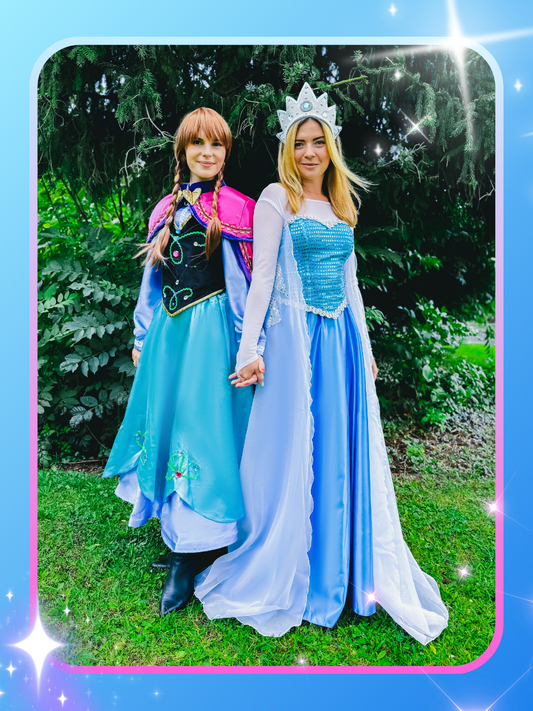
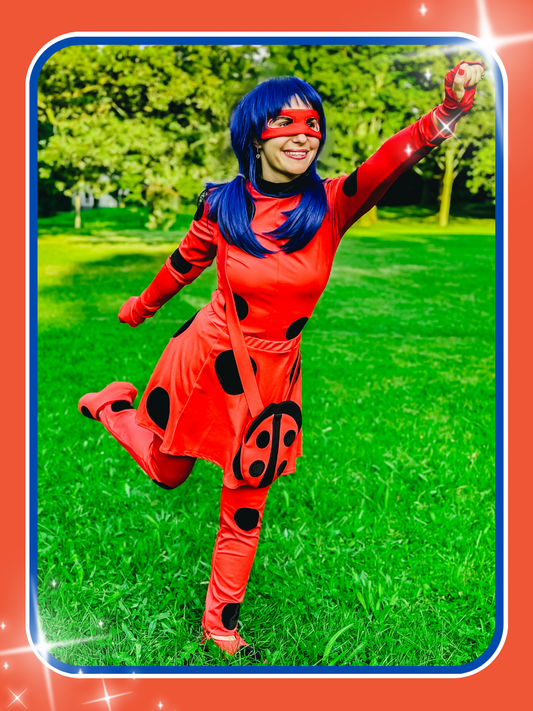
In-person celebrations can help create those experiences. An entertainer draws children into a story, gives them activities to complete, supports those who are shy and creates an atmosphere in which everyone has a chance to participate. This can be especially valuable for children who are used to screens: instead of watching passively, they move, use their imagination and interact with others.
Shake Party creates these live experiences with children’s entertainers in Germany. For celebrations in and around Frankfurt am Main, families can choose a fairy-tale adventure, a superhero mission, a magical story or a lively quest—each designed to capture the spirit of the fictional worlds children love without simply copying a branded storyline.
Creativity and shared activities as an alternative to devices
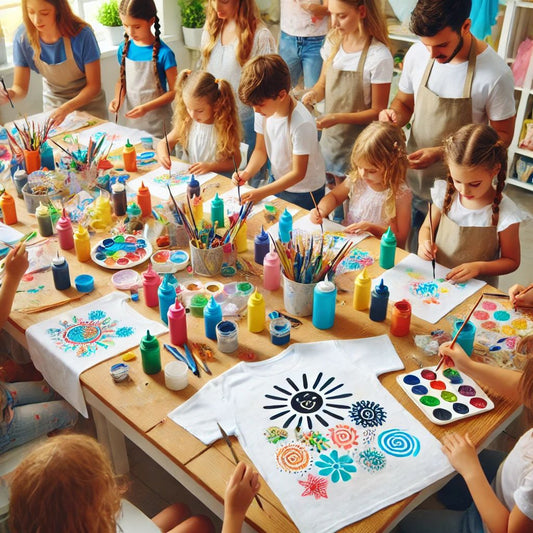
A childhood with less screen time does not have to be a childhood with less excitement. When children are offered engaging activities, it becomes easier for them to move away from the screen and become absorbed in something tangible. Painting a figurine, designing a T-shirt, making a bracelet, trying decoupage or learning a dance move can all give a child the satisfying feeling: “I made this myself.”
Creative activities are particularly effective at bringing different children together. Energetic guests get a calmer pause after active games, shy children can express themselves through colour and detail, and the whole group shares an experience that lasts beyond the moment an app is closed.
Shake Party’s creative workshops for children include plaster-figurine painting, T-shirt painting, bracelet making, dance activities, decoupage and other hands-on options. A workshop can be booked as a standalone event or added to a children’s birthday celebration.
Conclusion: it is not only about restrictions, but about balance
The impact of social media on children cannot be reduced to a single verdict of “good” or “bad”. For some families, temporary limits provide welcome relief from digital overload; for others, gradual guidance and open conversation work better. In every case, children benefit from having a life beyond the screen—friends, games, creativity, movement and warm memories.
Shake Party helps families create those moments in Frankfurt am Main and the surrounding area, with entertainers, workshops, photo zones, balloons and a joyful atmosphere. Plan a children’s birthday party filled with more real connection, shared laughter and memorable experiences than screen time.